
Project Alphabet, a 2025 study of Filipino generations by Acumen Strategy Consultants, a Philippine market expert, found that faith is no longer among the top five values guiding Filipinos’ decisions and goals — a shift from Acumen’s 2015 baseline study. Family, education, and money hold steady, while health and work-life balance have emerged as new central themes. Filipinos are not giving up their faith; they are adopting a more holistic view of a good life.
In the decade between 2015 and 2025, a major shift took place in the Filipino psyche.
Acumen’s Project Alphabet research study in 2025 shows that faith — which was among the main themes in Filipino life and culture in the initial 2015 study on Filipino generations — is no longer among the top five influential factors that guide decisions and goals.
Why faith still appears central to Filipino life
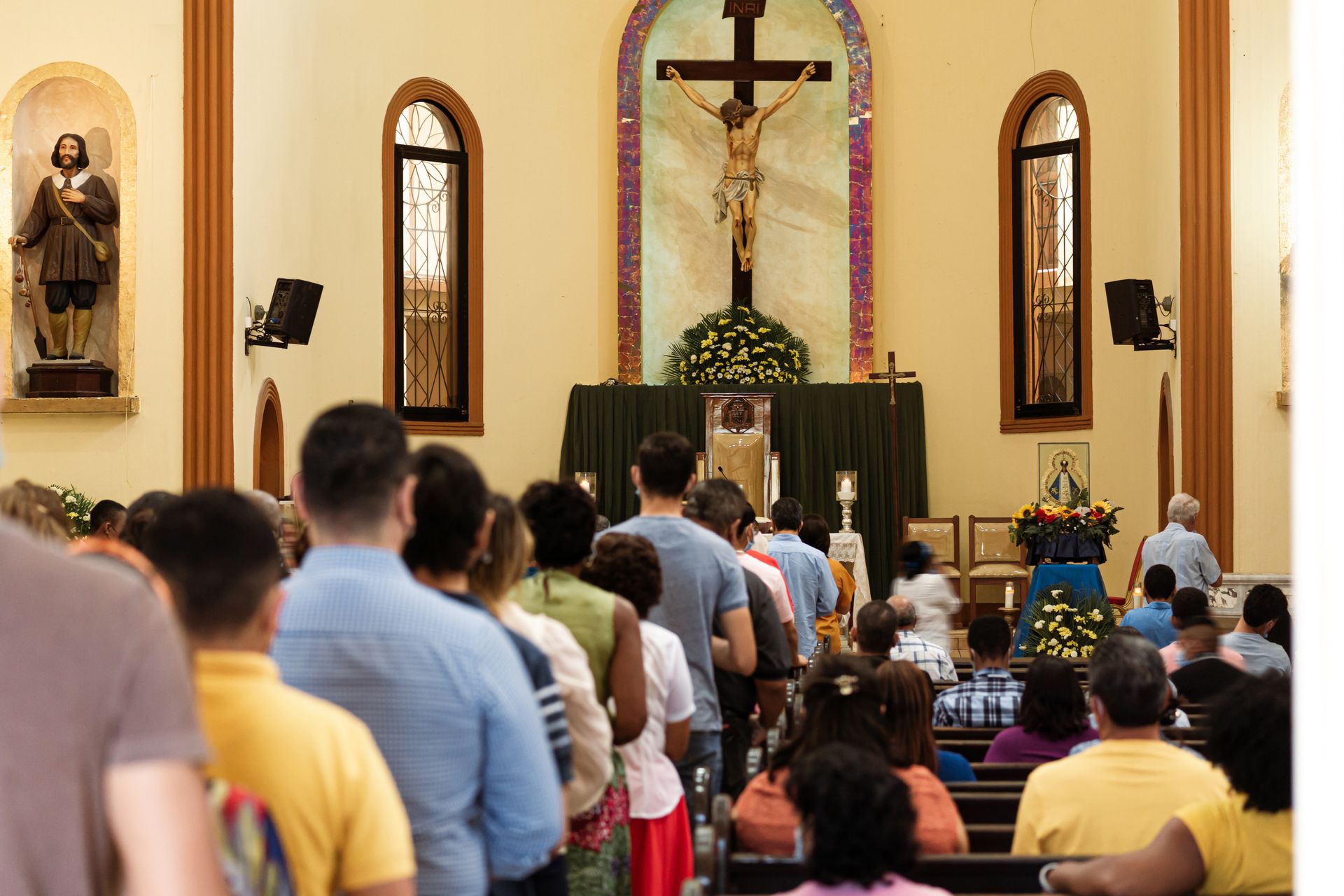
Let’s take a ground reality check: Go have a peek at a Catholic church or chapel anywhere in the Philippines on a Sunday and, chances are, it will be pretty much packed during a scheduled Mass celebration. And there is the lingering devotion to what some may call miraculous churches, such as Quiapo Church and the Basilica Minore del Santo Niño in Cebu City.
Judging by those scenarios alone, it would be easy to say that faith is alive among Filipinos and that religion remains a core cultural element.
Fact is, the Philippines is still a country where close to 80% of the population professes Catholicism. The remaining 20% are by no means irreligious: about 13% belong to a Protestant or Christian denomination, and 6% are Muslim.
The demographics clearly indicate that considering oneself part of a faith-based community remains a common Filipino trait.
So, what do the Project Alphabet survey’s qualitative and quantitative data indicate?
What Filipinos valued in 2015: the baseline study
First, let’s look at the baseline results from 2015, when Acumen undertook its first generational study. The dominant themes in Filipino values then were:
- Budget — Balancing income and expenses was the biggest stressor.
- Happiness — No matter what, Filipinos found reasons to be happy, grounded in simplicity and gratitude.
- Family — The root and center of one’s life.
- Faith — Belief and prayers were a source of hope and resilience.
- Education — The ticket out of poverty.
- Social connection and face — Having a social circle and maintaining a good reputation were highly valued.
From a bird’s-eye view, these themes show a landscape where people are centered on relationships, guided by faith, and grounded in perseverance for a better life.
What disrupted Filipino values between 2015 and 2025
That landscape would be shaken over the next 10 years by digital developments, marked changes in weather patterns, and an unparalleled global health event that would prove to be the most pivotal of all disruptors: the COVID pandemic.
Within this global and national context, Filipino mindsets shifted.
Family, education, and money: the values that held steady
Family holds steady as a core value, along with education and money.
Nine out of 10 Filipinos still rank family as a top priority, based on Project Alphabet. The older generations — Boomers and Gen X — express their love for family, the circle most important to them, through sacrifice and duty. The younger generations — Gen Y or Millennials and Gen Z — demonstrate this value more by being present, prioritizing closeness and open communication.
Meanwhile, education is no longer perceived simply as a “ticket out of poverty” but as a tool for self-development and pursuing one’s passion.
Filipinos’ view of money has expanded beyond budgeting. Awareness of the importance of financial security has grown across generations, though what it means still varies from one generation to the next.
Are Filipinos losing their faith?
Not according to Project Alphabet. Health and work-life balance have emerged as new central themes for Filipinos, yet respondents across generations still describe faith as part of their daily lives and decisions.
“It’s not just about the money (that is important)… it’s also about spiritual life as well as social life,” said a Gen Z respondent from Davao.
Filipinos across generations continue to be grounded in their faith while redefining resilience in a more pragmatic sense. They now see wellness as a key component in the pursuit of a good life.
“I always pray before making big decisions, especially sa business. Kasi hindi lang naman ako ang affected,” said a Gen X member from Metro Manila.
A Boomer from Cebu said going to church remains a tradition that keeps the family close: “We make it a point na magsimba together. It’s part of how we stay connected as a family.”
What Project Alphabet tells us is that Filipinos are not giving up their faith. Rather, they are transitioning towards a more holistic mindset, wherein priorities are moving towards immediate and more tangible enablers of freedom, such as physical health and mental well-being.
What health means to each Filipino generation
Health as an enabler of freedom is a top priority for all generations. What it means, though, varies by age group:
- Gen Z, as a digital generation, is strongly influenced by online conversations on burnout and anxiety.
- Millennials regard health as holistic self-care and an expression of self-respect.
- Gen X members link health to their responsibility to support and protect their families.
- Boomers view health as independence, giving them the ability to remain active for both leisure and continued professional productivity.
Why work-life balance is a breakthrough Filipino value
Work-life balance is a breakthrough value. It is a dramatic leap from the work-work-work attitude carried over from the Boomers’ post-war culture.
Like health, balance means something different to each generation. For Gen Z, it is having the freedom to pursue passion; for Millennials, it is striking harmony between ambition and rest; and for Gen X and Boomers, it comes back to family — being a good provider, not being a burden, and having the means to take life easier.
Filipino values in 2025: enduring roots, new priorities
Filipinos of all generations continue to embrace the deeply rooted values of family and faith, while adopting mindsets that align with a world now largely defined by technological advancements, self-awareness, and well-being.
This article is part of the insights series from Project Alphabet, the study of Filipinos across generations by Acumen Strategy Consultants, a Filipino-led consulting company.
Frequently asked questions
What is Project Alphabet?
Project Alphabet is Acumen’s 2025 research study on the values that influence the behavior and decisions of Filipinos across four generations: Gen Z, Millennials, Gen X, and Boomers. Drawing on qualitative and quantitative data, it compares today’s Filipino values with the results of Acumen’s first generational study in 2015.
How have Filipino values changed between 2015 and 2025?
According to Acumen’s Project Alphabet, faith is no longer among the top five factors guiding Filipinos’ decisions and goals, while health and work-life balance have emerged as new central themes. Family, education, and money hold steady, though education is now seen as a tool for self-development and views on money have expanded from budgeting to financial security.
Are Filipinos becoming less religious?
Not necessarily: Acumen’s Project Alphabet finds that Filipinos are not giving up their faith, even though faith no longer ranks among their top five values. Close to 80% of Filipinos still profess Catholicism, and respondents across generations describe prayer and churchgoing as part of their decisions and family life. What has changed is a move toward a more holistic mindset that prioritizes tangible enablers of freedom, such as physical health and mental well-being.
What does work-life balance mean to different Filipino generations?
Work-life balance means something different to each generation, according to Acumen’s Project Alphabet. For Gen Z, it is the freedom to pursue passion; for Millennials, it is harmony between ambition and rest. For Gen X and Boomers, it comes back to family: being a good provider, not being a burden, and having the means to take life easier.
← Back to Insights